
From the farm · Preserves
Farm pickles and ferments
When the garden gives more than we can cook, we put it in jars. Red cabbage, cucumber, radish, pumpkin: vegetables from Terramay farm, preserved by hand in our kitchen.
- Vegetables from our garden
- Made in the farm kitchen
- In glass jars
- In small batches

This season’s jars
Red Cabbage Pickles 250g
€8.00
Minimum 4 items per order · free delivery from 6
You can then add more dishes from à la carte and check out.
Already a The Weekly subscriber?
Add it to your next box at the subscriber price: €6.00.
Sign in to add it to my boxNot a subscriber yet?
Start The Weekly and get Red Cabbage Pickles 250g in your first box, with the welcome discount.
Start The Weekly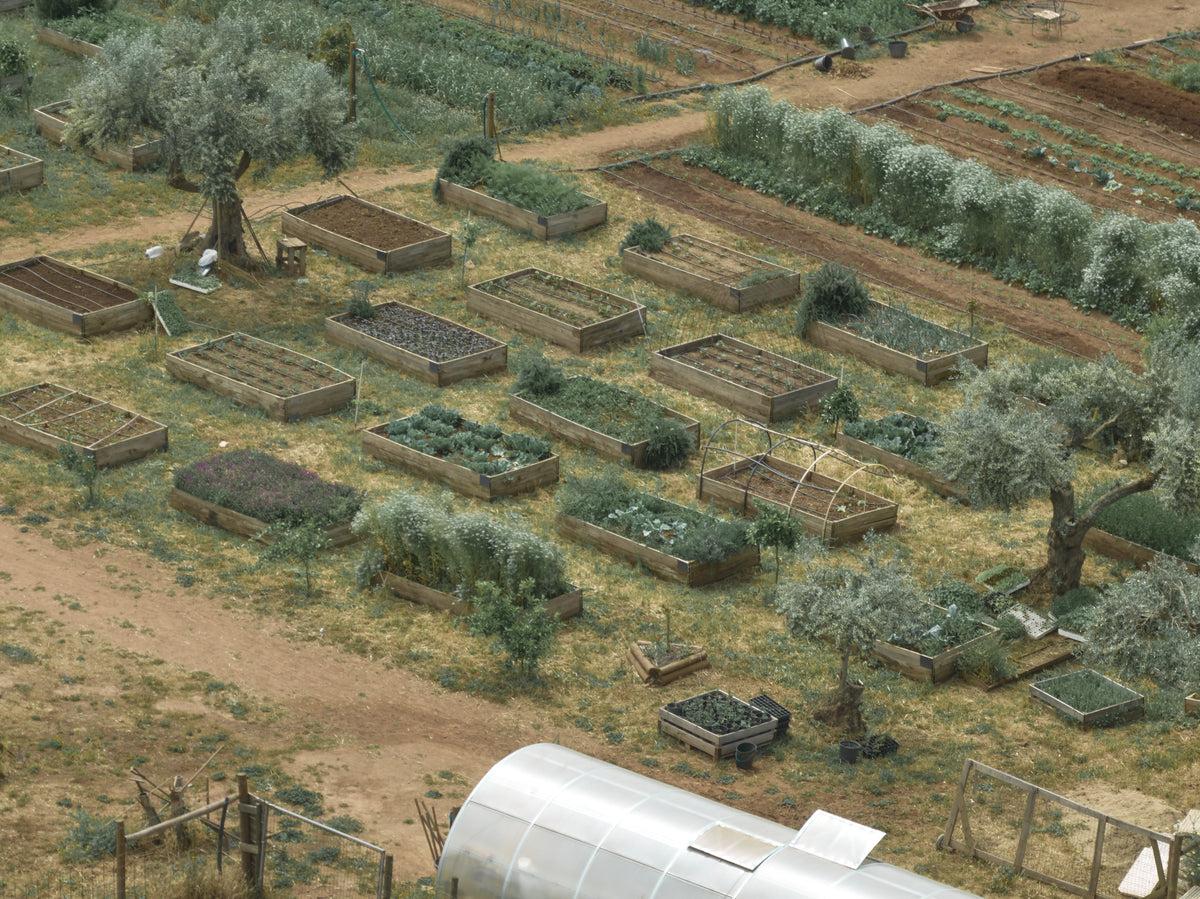
Pickles or ferments: what is the difference?
Both are old ways of keeping vegetables, but they are made differently. Pickles are vegetables preserved in vinegar with salt and spices: they are ready quickly and taste sweet-and-sour and crunchy.
Ferments, such as sauerkraut and kimchi, use only vegetables and salt (plus spices in kimchi). Time does the rest: the vegetables ferment in their own juice for days or weeks and develop a deep, sour flavour without any vinegar.
What are sauerkraut and kimchi?
Sauerkraut is finely cut cabbage, salted and left to ferment. It is the traditional preserve of Central Europe; our fermented red cabbage is made the same way.
Kimchi comes from Korea: vegetables fermented with garlic, ginger and chilli. At Terramay we make it with what the garden has, such as pumpkin.
How we make them
The vegetables are picked in the farm garden and prepared in our kitchen, in small batches. That is why the range changes through the year: some jars only exist while the harvest lasts.
How to eat and store them
- Alongside meat, fish or pulses: they cut through richness and add freshness.
- In sandwiches, burgers and toasties.
- In salads and bowls, or on a cheese and charcuterie board.
- Once opened, keep in the fridge with the vegetables covered by the liquid.
- Use a clean fork or spoon to serve.

Frequently asked questions